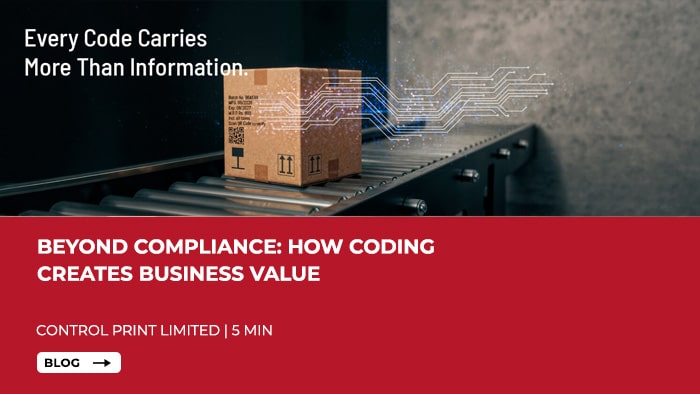
Beyond Compliance: How Coding Creates Business Value
A batch number, manufacturing date, expiry date, or product code needs to be printed correctly; and that's where the conversation often ends.
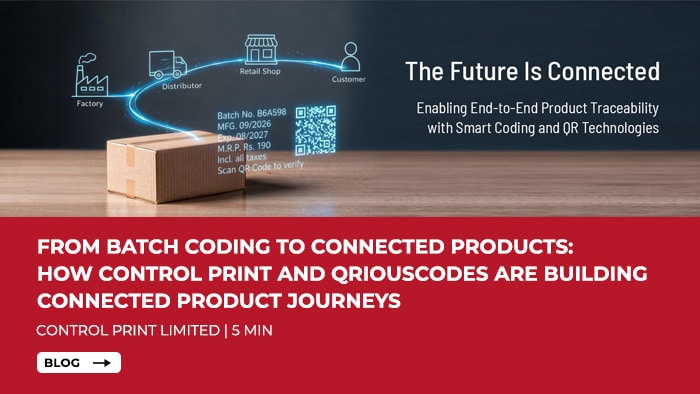
From Batch Coding to Connected Products: How Control Print and QRiousCodes Are Building Connected Product Journeys CONTROL PRINT LIMITED | JULY 29, 2026 A QR Code on a product package is no longer just a way to share a website…
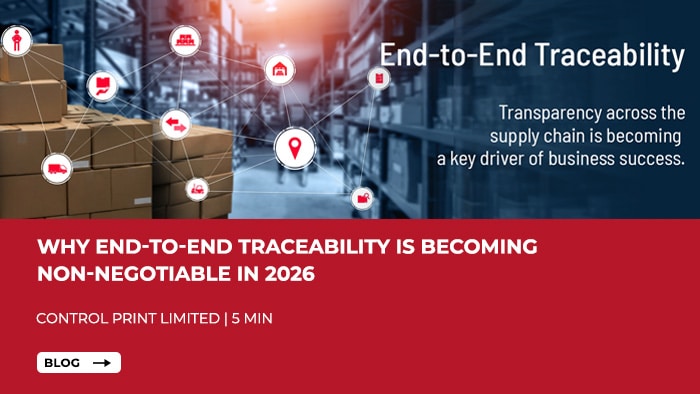
In 2026, traceability is no longer just a regulatory checkbox, it has become a business imperative. As supply chains become increasingly interconnected and consumers demand greater transparency, brands across industries
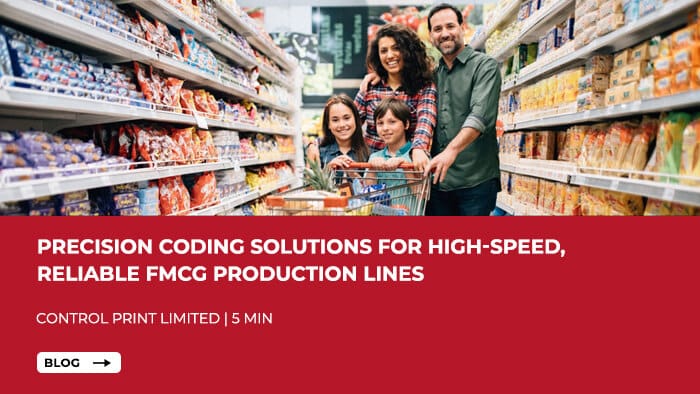
FMCG producers face a significant difficulty as the transition from conventional 1D barcodes to 2D codes made possible by GS1 Digital Link is accelerating: How can complex, scannable codes be reliably printed and verified at industrial production speeds?
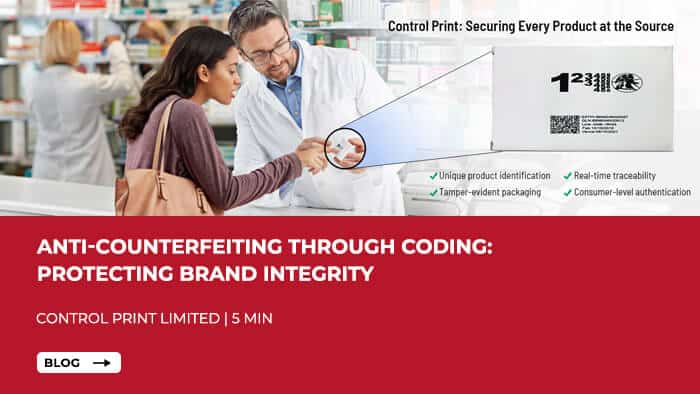
In today’s hyper-competitive and globalized marketplace, counterfeit products are no longer a marginal issue; they are a growing threat impacting industries from pharmaceuticals and food to cosmetics and industrial goods.
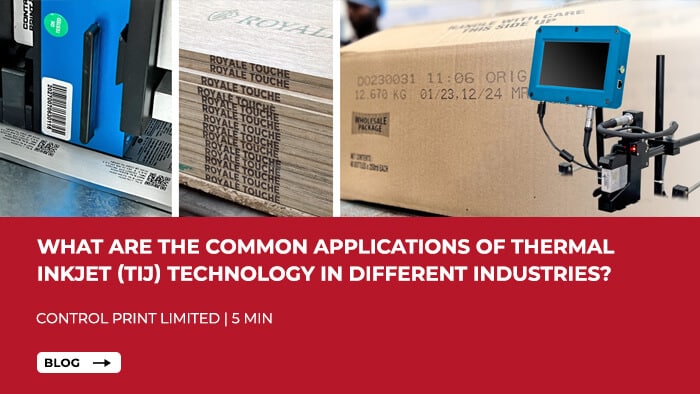
From regulatory compliance to brand differentiation, coding and marking have become central to modern manufacturing and Thermal Inkjet (TIJ) technology is leading this transformation.
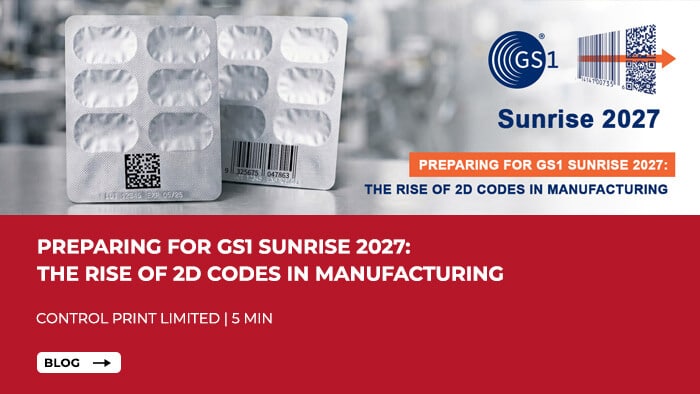
By 2027, the way the world scans products will fundamentally change.
With the GS1 Sunrise 2027 initiative, global retailers, brands, and solution providers are preparing to transition from traditional linear (1D) barcodes to 2D codes such as QR codes and DataMatrix
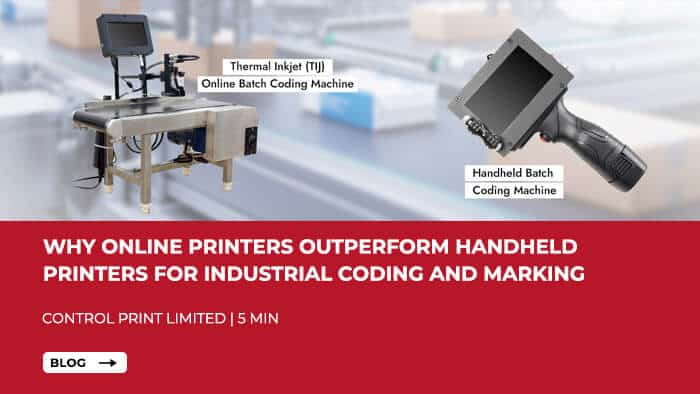
While handheld printers may seem like an accessible, portable solution for certain scenarios, they are often no match for the speed, reliability, and integration capabilities offered by online printers such as Continuous Inkjet (CIJ)
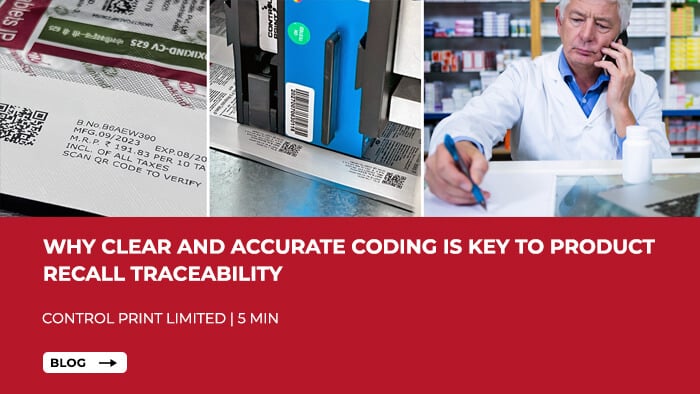
While coding itself may not prevent a recall, it plays a pivotal role in managing recalls efficiently by enabling traceability, protecting consumers, and limiting the scale of damage.
In the rubber and tyre industry, coding and marking systems are more than just operational add-ons — they are critical tools for product identification, traceability, regulatory compliance, and brand protection.