Beyond Compliance: How Coding Creates Business Value

A batch number, manufacturing date, expiry date, or product code needs to be printed correctly; and that's where the conversation often ends.

A batch number, manufacturing date, expiry date, or product code needs to be printed correctly; and that's where the conversation often ends.

In today’s hyper-competitive and globalized marketplace, counterfeit products are no longer a marginal issue; they are a growing threat impacting industries from pharmaceuticals and food to cosmetics and industrial goods.

Steel and metal manufacturers operate in some of the most demanding industrial environments, where reliable product identification is critical for traceability, compliance, and brand protection.
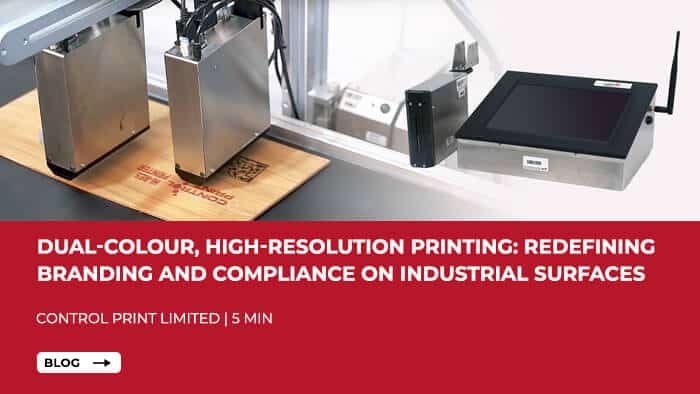
Printing technology has advanced beyond simply marking batch codes and expiration dates in the fast-paced manufacturing world of today.
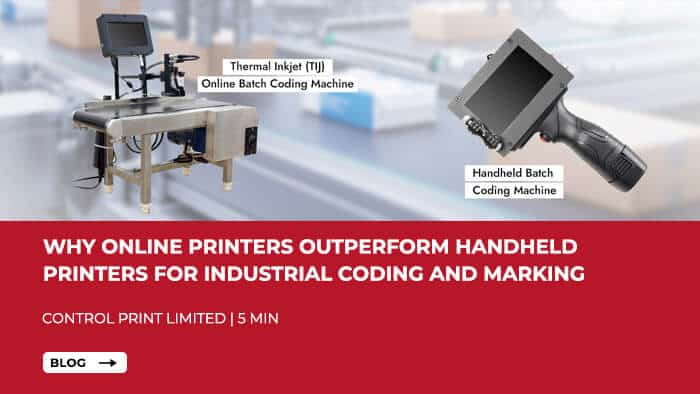
While handheld printers may seem like an accessible, portable solution for certain scenarios, they are often no match for the speed, reliability, and integration capabilities offered by online printers such as Continuous Inkjet (CIJ)
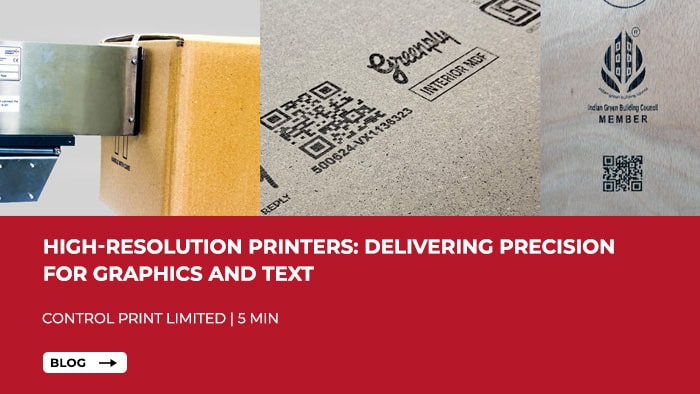
In the plywood industry, manufacturers must comply with stringent regulatory

In the woodworking and furniture manufacturing industry, coding and marking technology is used to mark and identify products, components, and packages with information such as product codes, batch numbers, expiration dates, and other essential data.
The importance of High-resolution printing technology cannot be overstated in the industrial printing scenario. If one requires to print industry-level graphics or markings, you need a printer that can give you high-quality pictures and text. Clarity is key when it…
When quality and detailing are a priority, Control Print recommends going for the High-Resolution Printer, which is known to yield high-quality prints. This colour printer can produce better imagery and proves to be cost-effective as well. These printers are especially…
Porous surfaces or substrate are those surfaces that contain tiny pores, microscopic holes or crevices that allow liquids and air to penetrate it.Paper, untreated wood, cardboard, sponge and fabric are some of the examples of porous surfaces. The high-resolution industrial…